Skip to content
ORANGE COUNTY · CALIF.

Commercial fire protection in Huntington Beach, CA

West Coast Fire Systems inspects, tests, and maintains commercial fire protection systems in Huntington Beach: fire alarms, sprinklers, fire pumps, standpipes, extinguishers, exit lighting, and fire doors. Property managers and owners here answer to the Huntington Beach Fire Department, the city’s authority having jurisdiction (AHJ). Our work follows California Code of Regulations Title 19, the state rules that set mandatory service intervals for fire equipment, alongside NFPA 25 and NFPA 72 test schedules. From the resort and retail blocks around Pacific City to the aerospace buildings of the McDonnell Centre Business Park, every inspection is documented to hold up at your next fire inspection and your next insurance renewal. Call 714-465-8801, answered 24/7.

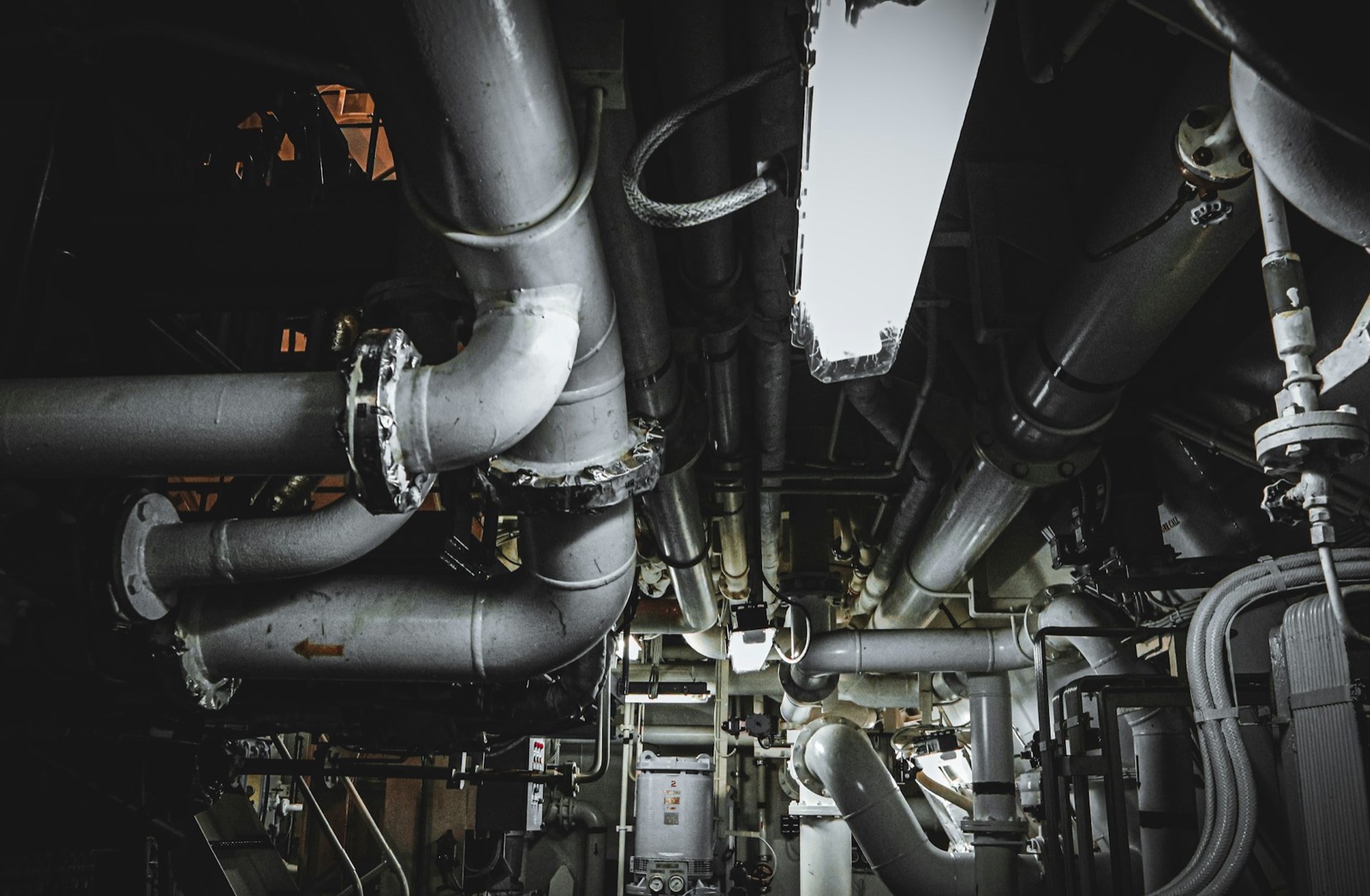
Dense overhead network of gray industrial pipes and valves in a dark machine room

DISPATCHED FROM LONG BEACH HQ · 24/7 LINE 714-465-8801

Fire code compliance under the Huntington Beach Fire Department

Unlike most Orange County cities, which contract fire service to the Orange County Fire Authority, Huntington Beach runs its own municipal fire department. HBFD’s Community Risk Reduction Division — formerly the Fire Prevention Division — inspects commercial buildings, reviews plans, and enforces the California Fire Code and Title 19. The department sets inspection frequency through a Community Risk Assessment that weighs business classification, operational permits, and building size, so a hazardous-materials user in the Gothard corridor sits on a tighter cycle than a Main Street retail suite. New businesses can expect a first inspection within roughly six months of receiving a business license and Certificate of Occupancy, and most inspections arrive unannounced.

When inspectors find violations, the correction timeline is typically 30 days, with self-correction affidavits available for minor items and fee-bearing re-inspections for the rest; serious violations can draw administrative citations or a stoppage of operations. Our 4-Tier Deficiency Priority System is built to match that clock. Priority 1 Immediate deficiencies are corrected or protected on the spot. Priority 2 High deficiencies carry a 30-day repair deadline — the same window HBFD commonly grants. Priority 3 Moderate items fold into scheduled maintenance, and Priority 4 Low items are logged as recommendations. A property manager holding our deficiency report already knows what the city’s notice will say, and has a repair schedule that beats the deadline.

Documentation is where compliance is won in this city. Plan submittals and permits run through the city’s Accela Citizen Access portal, inspectors expect ITM records — inspection, testing, and maintenance documentation — on site, and sprinkler and standpipe systems require the 5-year cert, the internal inspection and test of system piping that Title 19 mandates at five-year intervals. Our NFPA-Aligned Inspection Frequency Schedule maps every system in the building to its required interval, and the Insurance Documentation Packet keeps the records assembled — so an unannounced HBFD visit finds a file, not a scramble.

What Huntington Beach buildings need: from Pacific City to the Bolsa Chica corridor

The city’s visitor economy concentrates its highest-stakes occupancies within a few blocks of the pier. Pacific City’s open-air retail and restaurant decks, the resort row along Pacific Coast Highway — the 250-room Paséa Hotel & Spa, the Waterfront Beach Resort’s towers — and the ground-floor restaurants under Main Street’s older mixed-use buildings are assembly and residential occupancies with heavy seasonal occupant loads. They run on hotel-grade fire alarm systems that need annual NFPA 72 testing, standpipes in the towers, emergency exit lighting that must pass a monthly 30-second and annual 90-minute test, and fire doors that get propped open exactly when crowds peak. Add the coast itself: salt air corrodes exposed fire department connections, backflow assemblies, and hydrant threads faster than anything inland, so ITM on beachfront properties has to cover hardware condition, not just function.

The other half of the commercial base sits inland. The McDonnell Centre Business Park near Bolsa Avenue and Bolsa Chica Street houses aerospace and manufacturing tenants in buildings running from roughly 100,000 to more than 500,000 square feet, and the Gothard Street corridor carries the city’s medium-sized manufacturers and flex-industrial space. Buildings at that scale depend on infrastructure smaller properties never touch: fire pumps that need annual flow testing under NFPA 25, private underground fire service mains and hydrants, high-piled storage sprinkler systems whose design density has to match what is actually on the racks, and fire doors and smoke barriers separating office mezzanines from production floors. When a tenant improvement changes the commodity or the racking, the sprinkler design is the first thing HBFD’s plan reviewers will question through the Accela portal.

DISPATCH · LONG BEACH HQ

West Coast Fire Systems dispatches to Huntington Beach from our headquarters in Long Beach — down the 405 to Bolsa Chica for the northwest industrial parks, or Pacific Coast Highway through Sunset Beach for the coast. We won’t quote response times in minutes; nobody who has driven Beach Boulevard on a summer Saturday honestly can. What we commit to is this: the phone at 714-465-8801 is answered by a person 24 hours a day, every day of the year, and emergency repairs — a tripped fire pump, an impaired sprinkler system, an alarm panel in trouble — are dispatched around the clock.

Huntington Beach fire compliance questions

Who does commercial fire inspections in Huntington Beach?

The Huntington Beach Fire Department is the AHJ, and its Community Risk Reduction Division conducts the city’s commercial fire inspections. Frequency is risk-based — set by the department’s Community Risk Assessment using your business classification, operational permits, and building size — so a spray-finishing shop on Gothard Street sees inspectors more often than a small office. New businesses are typically inspected within six months of receiving a business license and Certificate of Occupancy, and most inspections are unannounced. Inspectors expect current ITM records on site when they walk in. Our NFPA-Aligned Inspection Frequency Schedule keeps your alarm, sprinkler, and extinguisher service dates ahead of the department’s visit rather than behind it.

How often do fire sprinklers need to be tested in Huntington Beach?

Fire sprinkler systems in Huntington Beach follow NFPA 25 and Title 19 intervals: quarterly checks of waterflow and alarm devices, a full annual inspection and test, and internal piping inspections on a five-year cycle — the 5-year cert, which Title 19 requires a licensed fire protection contractor to perform and tag. Resort and high-rise properties along Pacific Coast Highway carry standpipe obligations on the same five-year clock. Salt air is a real variable a block from the sand: corroded fire department connections and gauges are among the most common write-ups on coastal properties, so our inspections cover the FDC and backflow assembly, not just the risers.

What happens if my building fails a fire inspection in Huntington Beach?

You receive a correction notice with a deadline — typically around 30 days — and either a self-correction affidavit for minor items or a re-inspection, which carries fees; serious violations can bring administrative citations or a halt to operations. The practical risk is not the first notice; it is missing the deadline. Our 4-Tier Deficiency Priority System is built around that window: Priority 1 Immediate items are corrected or protected the day we find them, Priority 2 High items are repaired within 30 days, Priority 3 Moderate items fold into scheduled maintenance, and Priority 4 Low items are logged as recommendations. Every correction is documented, so you close the city’s notice with paper, not a conversation.

Do Huntington Beach warehouses need annual fire pump testing?

Yes — any building with a fire pump needs an annual flow test under NFPA 25, plus routine no-flow churn runs: weekly for diesel pumps, monthly for most electric pumps. Many of the large-footprint buildings in the McDonnell Centre Business Park and along the Gothard corridor rely on pumps to supply their sprinkler and high-piled storage systems. The annual test measures performance at churn, rated flow, and peak flow against the manufacturer’s curve, and the results belong in your on-site records for the Huntington Beach Fire Department. We test the pump, document the curves, and flag degradation early — a pump that misses its curve is a Priority 2 High deficiency on our report, with a 30-day repair clock.

Will documented fire compliance help my insurance in Huntington Beach?

It often helps, though results vary by carrier, policy, and property. Insurers commonly reward documented compliance — complete ITM records, current 5-year certs, closed-out deficiencies — with better terms at renewal, and underwriters increasingly ask for exactly that file on coastal hospitality properties and older mixed-use buildings downtown. Our Fire & Life Safety Compliance Program produces what your broker wants to see: a Property Risk Scorecard rating the property 0–100 across fire and life-safety categories, and an Insurance Documentation Packet assembling test records and corrections in one place. We will not promise a discount percentage — no honest contractor can — but we will make sure the documentation exists when the renewal conversation starts.

Inspect · Test · Repair · Install · 24/7 Response

Put your Huntington Beach property on the program.

A free compliance assessment scores your building and maps every system to its required inspection cycle.

714-465-8801
Schedule an Inspection

We respond within one business day — emergencies, immediately.

Call 24/7714-465-8801Schedule an Inspection