
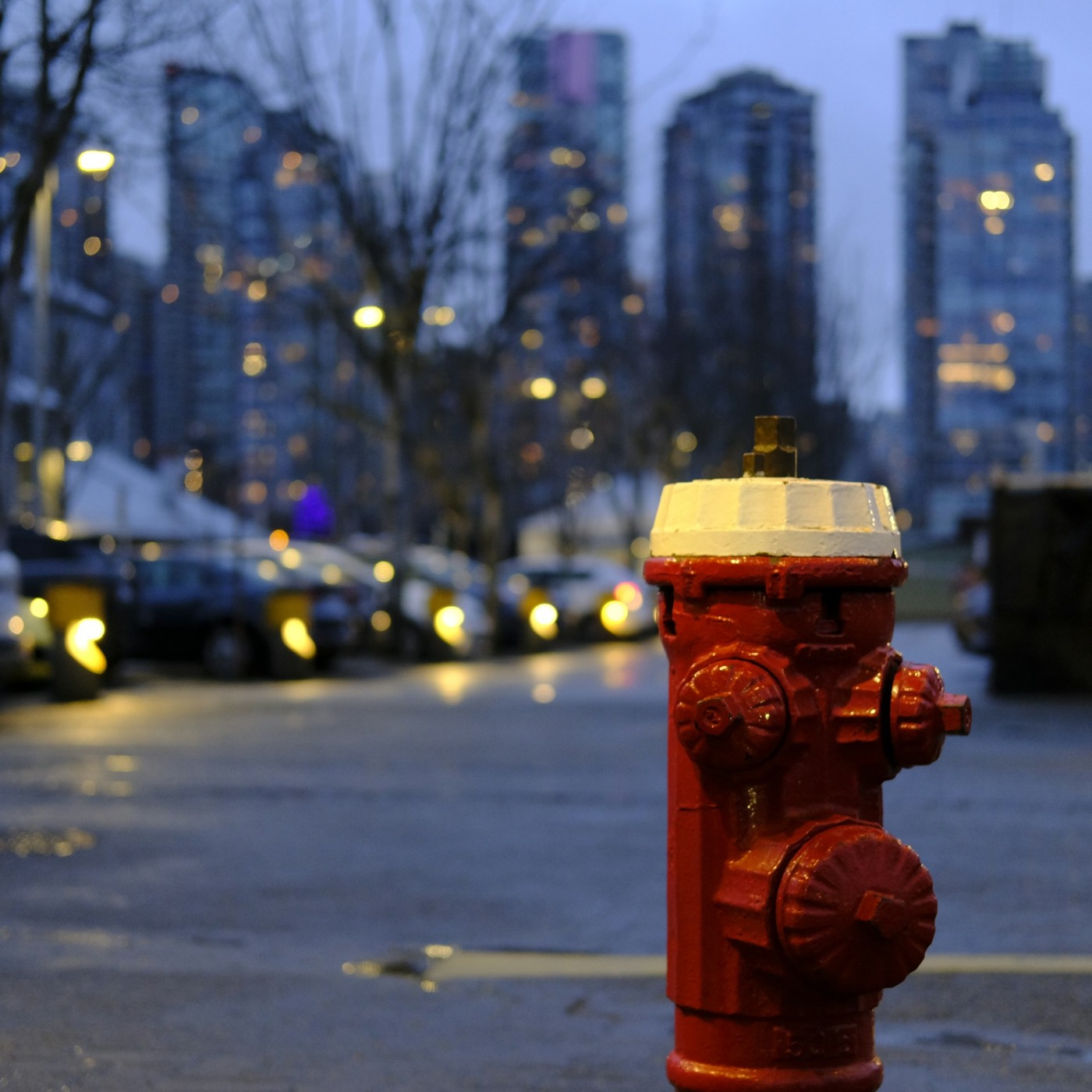
Underground Fire Service Mains & Fire Hydrants
The pipe you can’t see feeds every system you can.
Between the city water supply and your riser room runs piping nobody thinks about: the private underground fire service main. Tuberculation, shifting soil, and decades-old valves can quietly choke off the water every other system depends on.
We inspect and flow-test private mains and hydrants, exercise the isolation valves, and run the periodic assessments NFPA 25 calls for, so the water your sprinklers assume is there actually is.
What we do
- Annual hydrant service and flush — valve stems and underground gate valves exercised, threads cleaned, hydrant flushed
- 5-year hydrant flow testing with GPM and PSI readings submitted to the fire department for hydrant demand
- Isolation and PIV (post indicator valve) exercising and supervision checks
- 5-year underground main flow assessments per NFPA 25
- Flow testing that verifies available water supply against system demand
- Repair coordination for breaks, leaks, and failed valves
The required cycle
| Interval | What happens |
|---|---|
| Annual | Hydrant service and flush — valve stems and underground gate valves exercised, threads cleaned, hydrant flushed; main valve exercising |
| 5-Year | Annual service scope plus GPM & PSI readings submitted to the fire department for hydrant demand; underground main flow assessment |
What inspections typically find
The most common underground main deficiencies in commercial buildings — each one gets a priority tier and a clear correction path on your report.
- Available flow well below original design due to internal pipe corrosion
- Isolation valves that haven’t been exercised in years and won’t operate
- Private hydrants that were never on anyone’s maintenance program
- Undocumented underground modifications from past site work
Why it matters
Every gallon your sprinklers, standpipes, and hydrants deliver crosses this piping first. Water supply degradation is invisible from above ground — testing is the only way to know your system’s foundation is still sound.
Mains & Hydrants questions, answered
Who is responsible for private fire hydrants on commercial property?
The property owner. Hydrants on the private side of the service connection, typically everything past the city valve, are yours to inspect, test, and maintain per NFPA 25, and water authorities and AHJs increasingly enforce it.
How do you test an underground fire main without digging?
Flow testing. By flowing hydrants or test connections and reading residual pressures, we calculate the water actually available and compare it to your system’s design demand, revealing internal corrosion or a closed valve without breaking ground. Digging only happens if a repair actually needs it.
Put mains & hydrants on a schedule that defends itself.
One assessment, one calendar, documentation your insurer and fire inspector can actually read.
714-465-8801We respond within one business day — emergencies, immediately.