Fire Sprinkler Systems
Sprinklers only work when water can reach the fire.
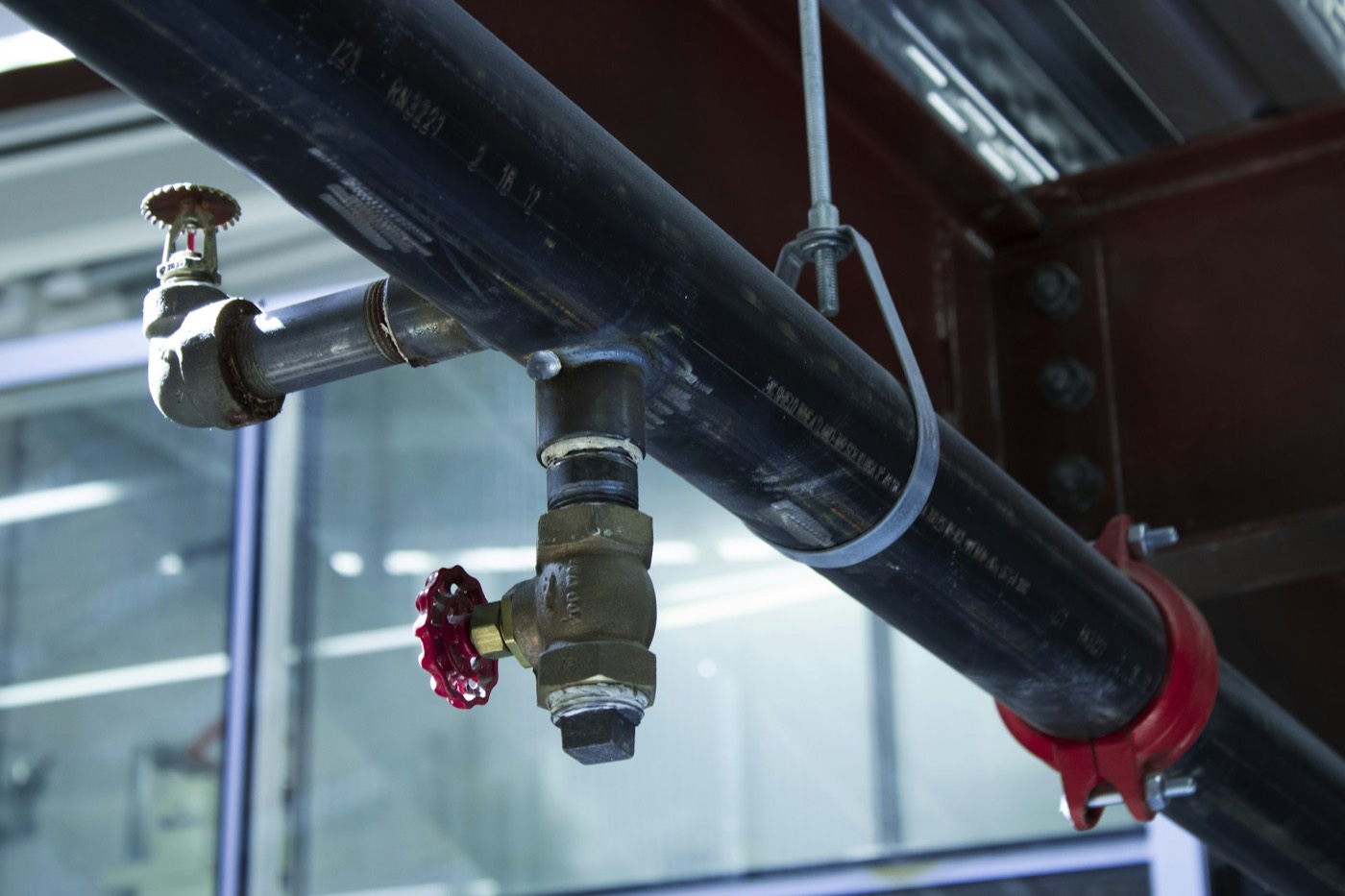
Sprinklers stop most fires before the fire department pulls up, but only if water gets through. A closed control valve, corroded pipe, painted-over heads, or a failed gauge can take the whole system out of service while everything looks fine from the floor.
We run the full NFPA 25 cycle on wet, dry, and pre-action systems: quarterly visual and operational checks, annual testing, and the California 5-year certification with internal pipe assessment. When we find a deficiency, you get a priority rating, a plain explanation, and a repair quote, not a mystery line item. Prevention is always less expensive than recovery.
What we do
- Quarterly, annual, and 5-year sprinkler inspections per NFPA 25 and CA Title 19
- Main drain, water flow, and valve supervisory testing
- 5-year internal pipe inspections and obstruction investigations
- Sprinkler head replacement for recalled, corroded, painted, or aged heads
- Gauge replacement and system component repairs
- Tenant improvement modifications and new system installation per NFPA 13
- Fire watch guidance and impairment procedures while a system is down
The required cycle
| Interval | What happens |
|---|---|
| Weekly / Monthly | Control valve and gauge checks — interval varies with supervision method per NFPA 25 |
| Quarterly | Waterflow alarm devices, visual inspection of system components |
| Annual | Full inspection and testing, main drain test |
| 5-Year | Internal pipe assessment, obstruction investigation, gauge replacement — California certification |
What inspections typically find
The most common fire sprinkler deficiencies in commercial buildings — each one gets a priority tier and a clear correction path on your report.
- Control valves found closed or not supervised — the leading cause of sprinkler failure
- Corroded or obstructed piping discovered only at the 5-year internal inspection
- Painted, loaded, or recalled sprinkler heads that won’t operate at temperature
- Missing or expired 5-year certification, flagged by insurers and the AHJ
- Systems modified during tenant improvements without updated hydraulic design
Why it matters
When sprinklers operate, they control or extinguish the vast majority of fires before the fire department arrives. When they fail, it’s almost always a maintenance issue — and insurers know it. A current NFPA 25 inspection history is one of the strongest signals a property can send to an underwriter.
Fire Sprinklers questions, answered
What is a 5-year fire sprinkler certification in California?
California Title 19 requires every fire sprinkler system to get a full service every five years, performed by a licensed fire protection contractor: internal inspection of the piping for corrosion and obstructions, component testing, and gauge replacement. The certification is filed with documentation your AHJ and insurer can verify.
How often do commercial fire sprinklers need inspection?
Under NFPA 25, commercial sprinkler systems get quarterly visual and operational inspections, a full annual inspection and test, and a 5-year internal assessment. Some equipment, like fire pumps feeding the system, carries weekly or monthly requirements on top of that.
Can you fix a leaking or damaged sprinkler head quickly?
Yes. A damaged head or leaking fitting is exactly what our 24/7 emergency line is for. We respond, isolate the right valve, replace the affected components, and restore the system, with impairment procedures handled so you stay compliant while the work happens.
Put fire sprinklers on a schedule that defends itself.
One assessment, one calendar, documentation your insurer and fire inspector can actually read.
714-465-8801We respond within one business day — emergencies, immediately.