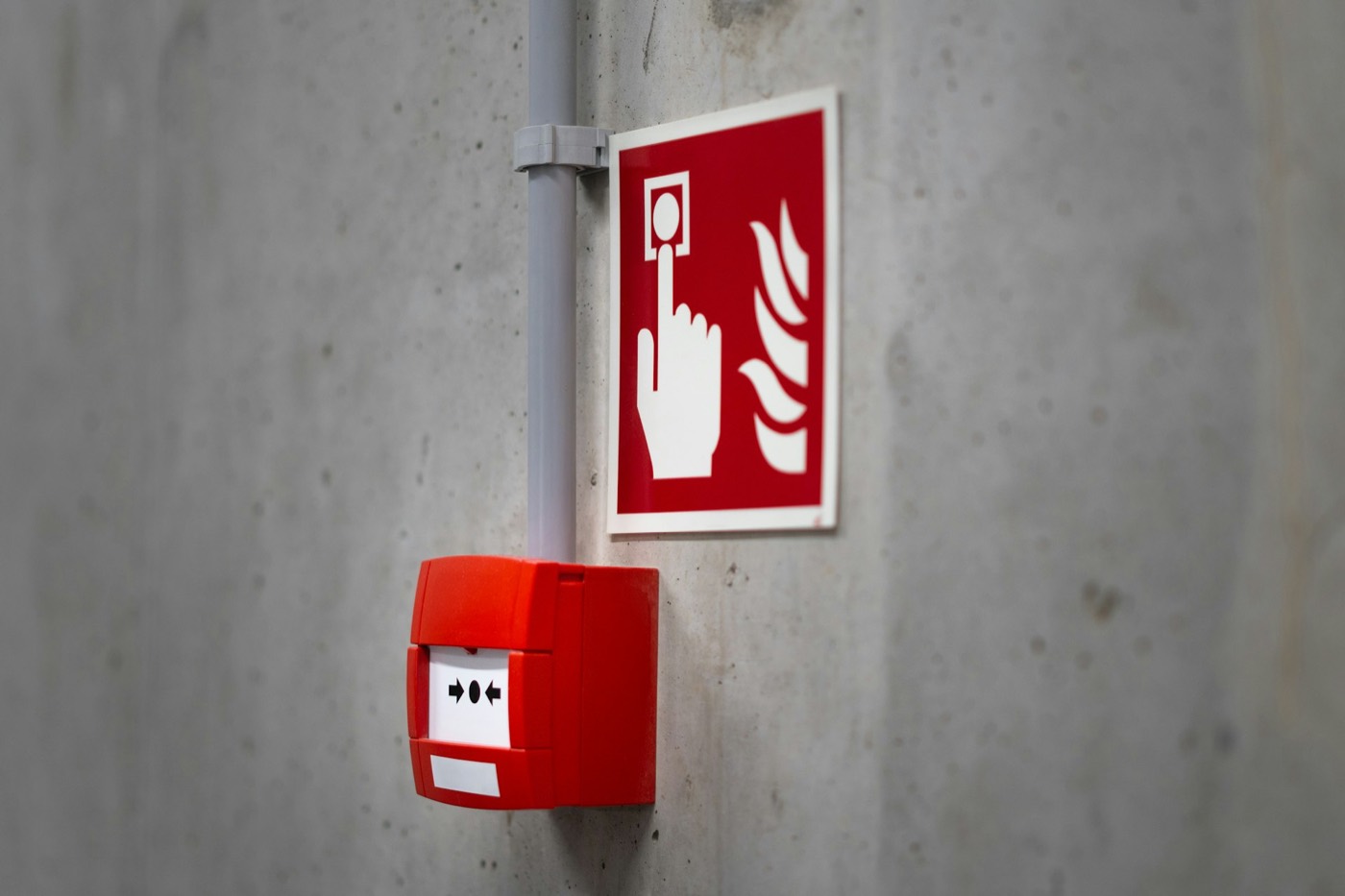
Fire Alarm Systems
If the panel is in trouble, the whole building is.
Your fire alarm has one job with three parts: catch the fire early, get people moving, and call the fire department. A panel sitting in trouble, a dirty detector, or a dead horn circuit takes all three away, and nothing looks wrong from the lobby until the day it matters.
West Coast Fire Systems inspects, tests, repairs, and installs commercial fire alarm systems across Southern California. We put every initiating device, horn/strobe, and supervisory point on a documented test schedule, and we hand you reports your fire inspector and insurance underwriter can actually read.
What we do
- Semi-annual and annual fire alarm inspections and functional testing per NFPA 72
- Control panel troubleshooting, programming, and repair
- Smoke and heat detector testing, cleaning, and sensitivity verification
- Horn and strobe notification circuit testing
- Central-station monitoring verification and supervisory signal testing
- Panel replacement and upgrades when equipment is outdated or no longer supported
- Deficiency corrections, prioritized and documented in writing
The required cycle
| Interval | What happens |
|---|---|
| Semi-Annual | Required device and function testing |
| Annual | Full system inspection and functional test of all devices |
What inspections typically find
The most common fire alarm deficiencies in commercial buildings — each one gets a priority tier and a clear correction path on your report.
- Outdated panels that no longer meet current code and fail during emergencies
- Dirty or expired smoke detectors that cause false alarms — or worse, no alarm
- Notification appliances that are silent or too quiet in parts of the building
- Monitoring accounts that were never verified after a panel or phone-line change
- Missing test documentation that surfaces during an insurance claim or AHJ visit
Why it matters
Insurers and fire authorities both start with the same question after an incident: was the alarm system tested, and can you prove it? Current test records protect your claim, your premiums, and — most importantly — the people in your building.
Fire Alarms questions, answered
How often does a commercial fire alarm system need to be inspected in California?
NFPA 72 and California Title 19 set a semi-annual and annual testing cycle for commercial fire alarm systems, with every initiating device, notification appliance, and supervisory point inspected and functionally tested at least once a year. Your local fire authority can add requirements on top of that.
What happens if my fire alarm panel is obsolete?
An obsolete panel can still pass inspection if it works, but replacement parts and manufacturer support dry up over time, and when a legacy panel finally fails, an emergency replacement costs far more than a planned one. We assess the panel’s condition, part availability, and code status, then give you a straight recommendation with pricing.
Do you provide fire alarm monitoring?
We verify, test, and coordinate central-station monitoring as part of alarm service, and we confirm signals actually reach the monitoring center during every inspection. That step gets skipped more often than owners realize, and it usually only surfaces after a real event.
Put fire alarms on a schedule that defends itself.
One assessment, one calendar, documentation your insurer and fire inspector can actually read.
714-465-8801We respond within one business day — emergencies, immediately.